
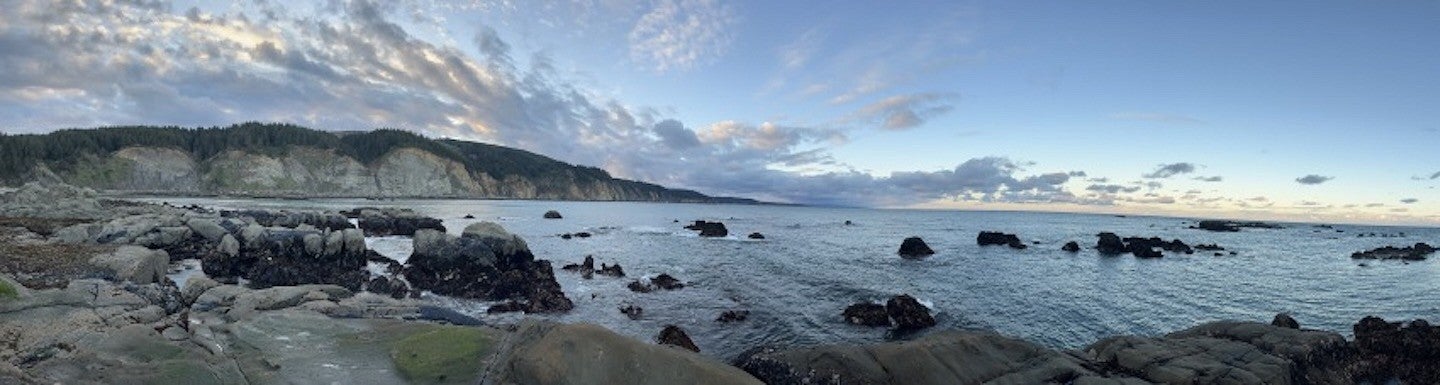
The Oregon Institute of Marine Biology supports resident UO faculty who conduct world-renowned research in the areas of invertebrate zoology, larval ecology, marine ecology, deep-sea biology, and cell biology. OIMB has extensive facilities and equipment available to visiting researchers for conducting marine biology research. From laboratories to an ROV to a small fleet of boats, we have everything you need to explore the rich diversity of marine life on the Oregon Coast.
Faculty Research Labs
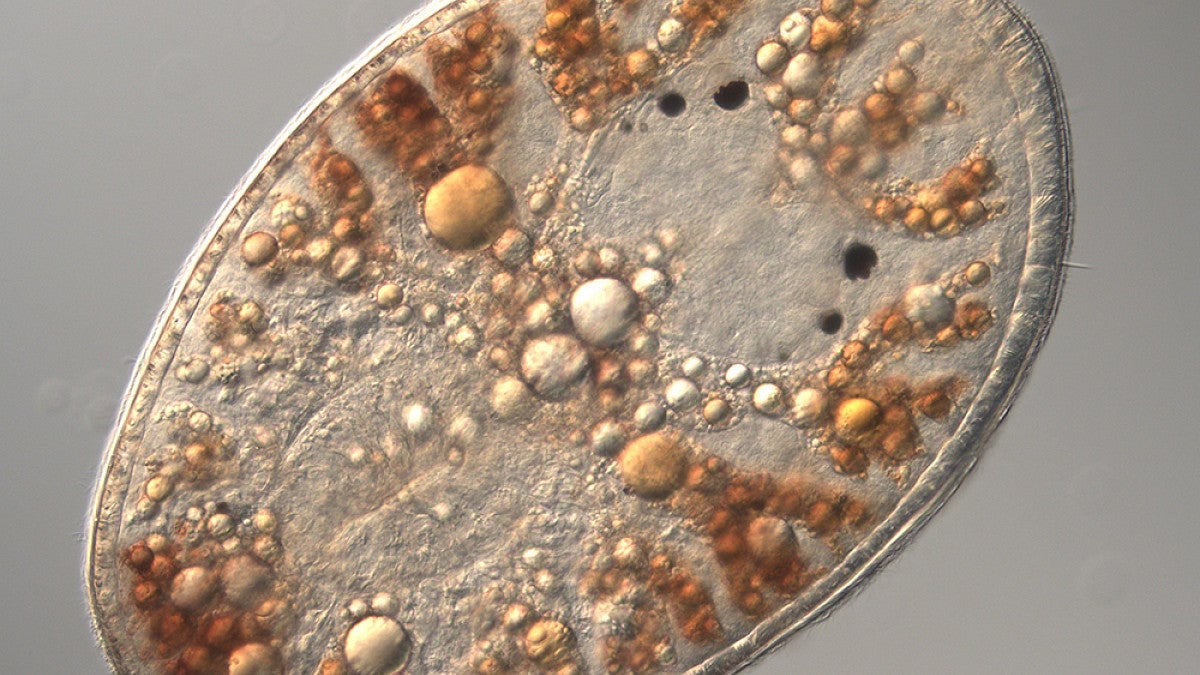
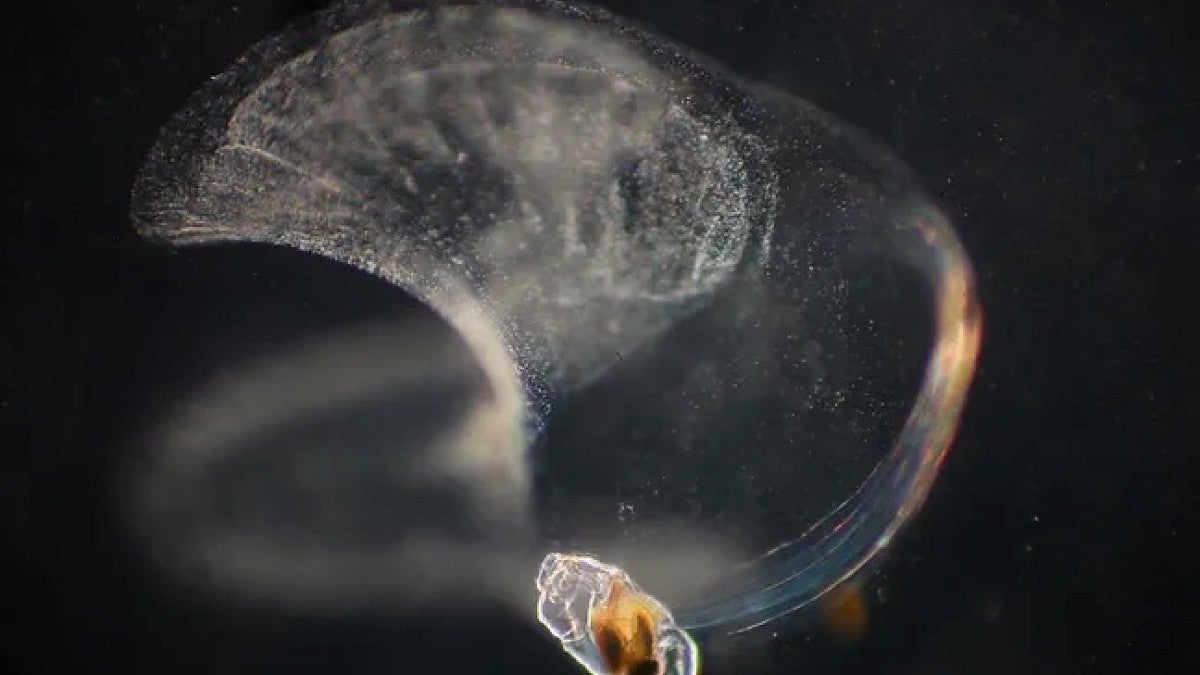
I use light microscopes and video to capture cell shape change and behavior, morphogenesis in developing embryos, and functional traits of invertebrate larvae. Ongoing research ranges from the mechanisms of embryonic cell division and excitability of the cell cortex, to swimming and feeding behaviors of planktonic larvae.
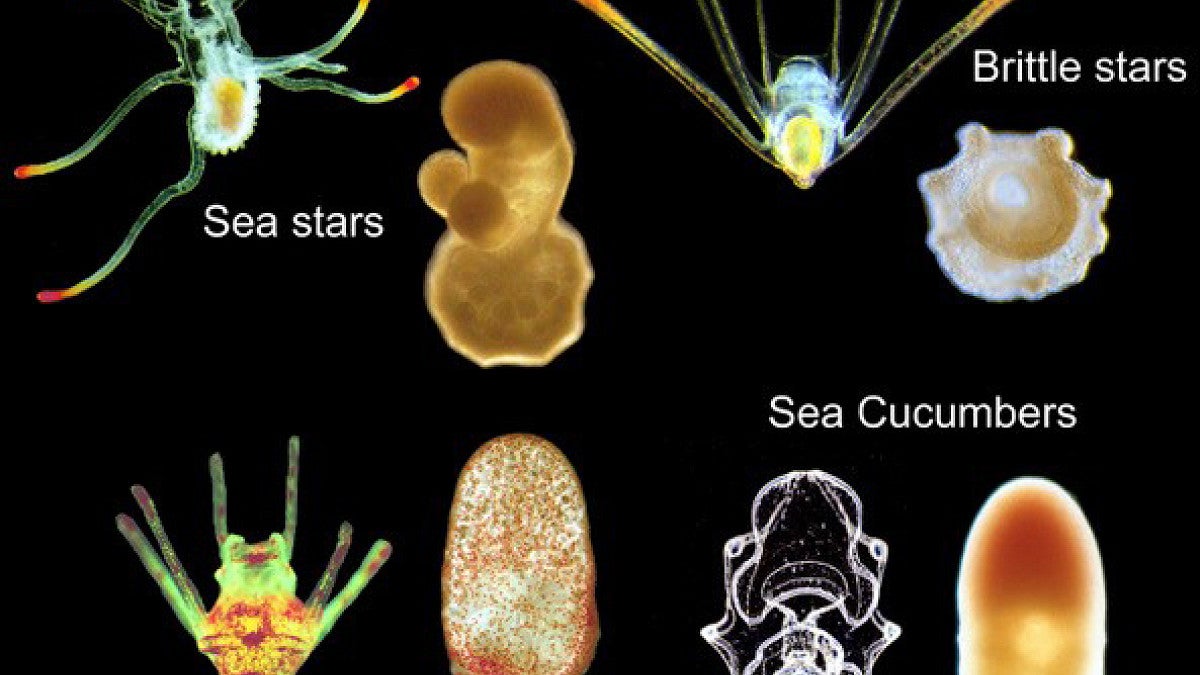
Richard Emlet’s lab studies evolutionary ecology of marine invertebrate larvae and newly metamorphosed juveniles. Ongoing studies include explorations of new larval forms among echinoderms, functional morphology of barnacle cyprids, and biogeographical patterns of developmental modes in NE Pacific, southern Australia and Panama.
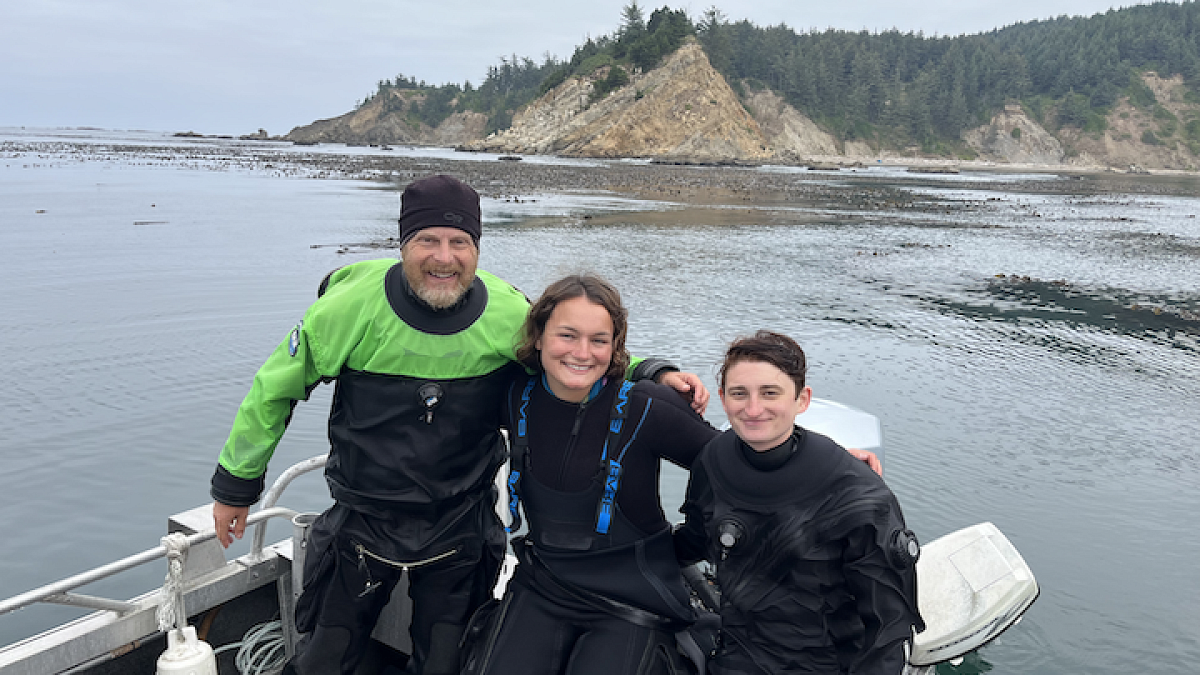
Aaron Galloway is an Associate Professor at the Oregon Institute of Marine Biology, the coastal marine lab of the University of Oregon. Dr. Galloway leads the Coastal Trophic Ecology Lab, which is generally focused on kelp forest ecology, trophic inferences in marine benthic food webs, with an emphasis on algae-invertebrate interactions.
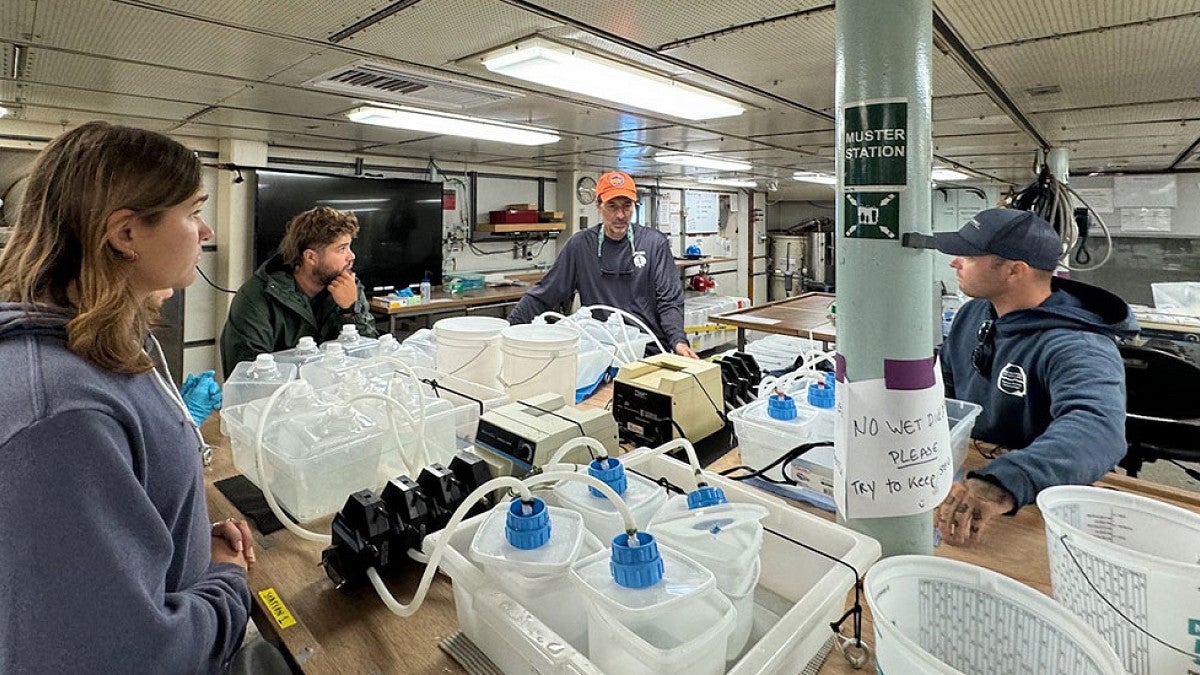
Our lab uses molecular genetic tools to investigate how marine species are distributed and connected across space and time, addressing questions in biogeography, evolution, and conservation. Recent projects focus on the comparative population and community structure of reef and rocky shore ecosystems, as well as the development of surveillance methods for nuisance algal species.
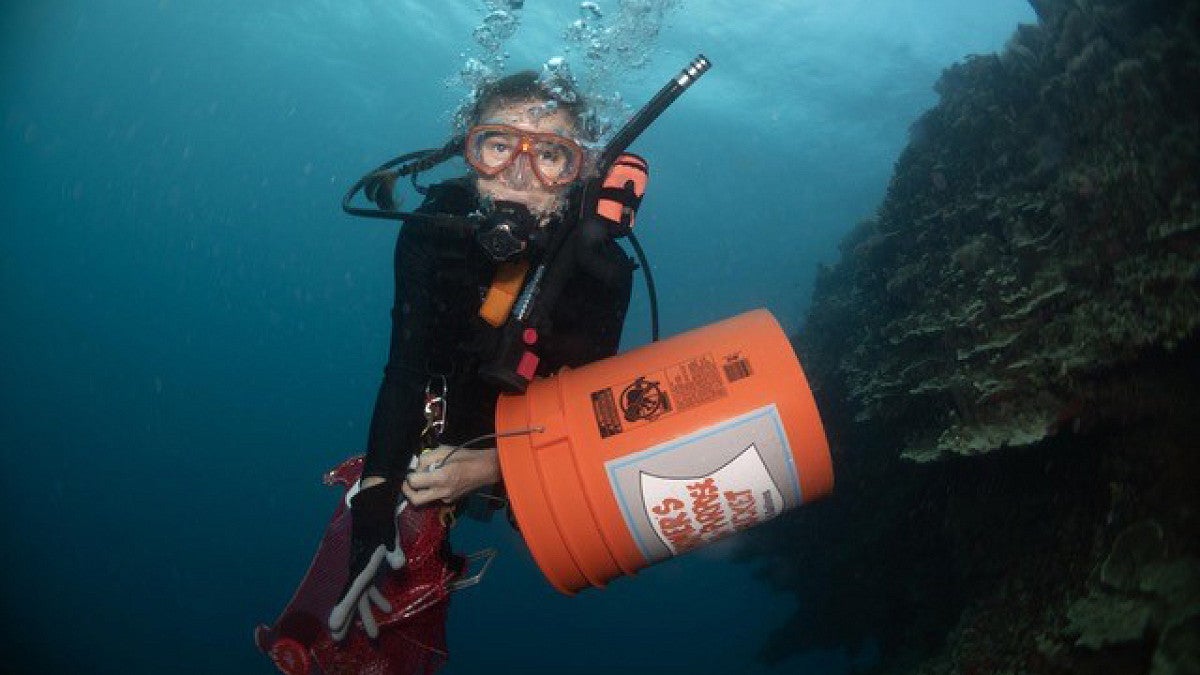
Research in the Maslakova lab is focused on the biodiversity, systematics and evolution of marine invertebrates, including both benthic adult and planktonic larval stages. We routinely discover new species and larval forms, connect larvae and adults using DNA barcoding, and learn how larvae make a living in the plankton.
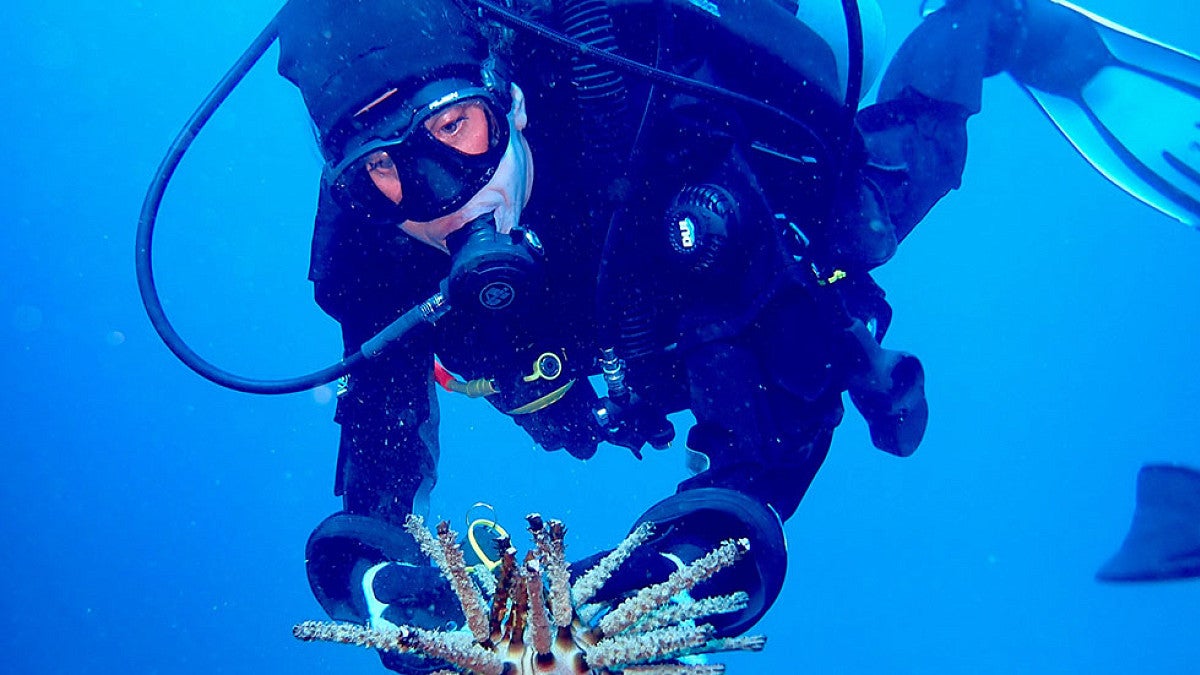
Research in the Moran Lab is broadly centered on the ecology, evolution, and physiology of marine invertebrates, with particular focus on life history biology, larval ecology, and ecophysiological responses of larvae and adults to climate change factors. We combine field and laboratory approaches to address these questions in environments from the tropics to the poles, using a wide variety of organisms and life stages.
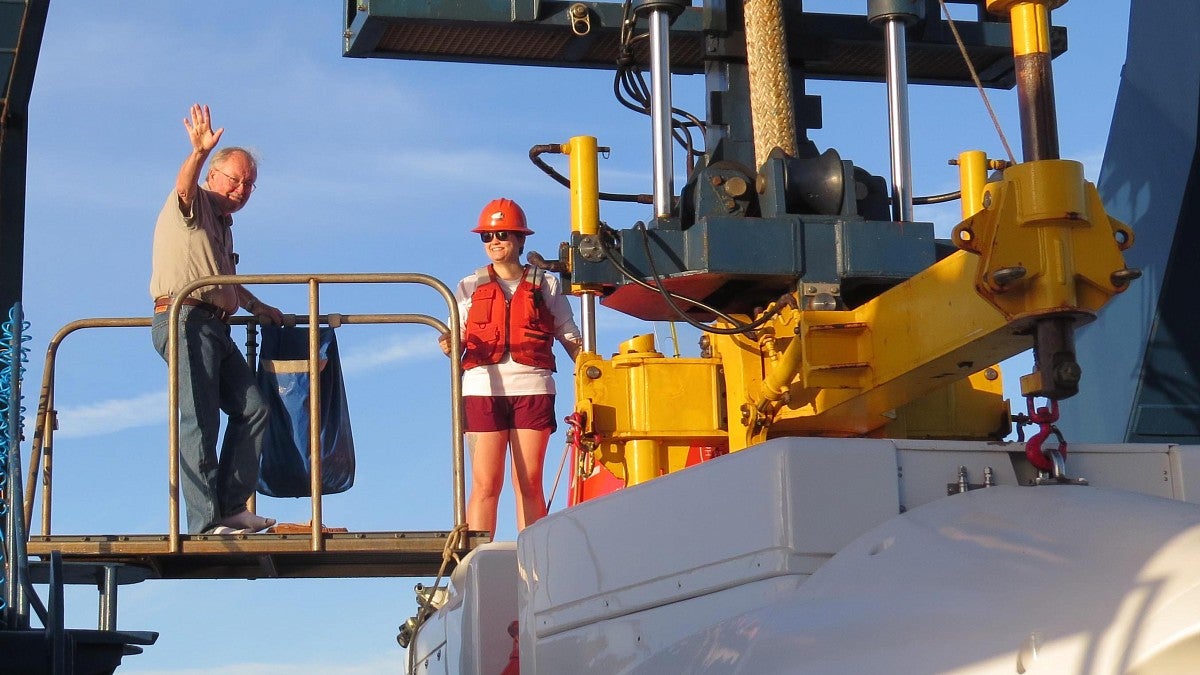
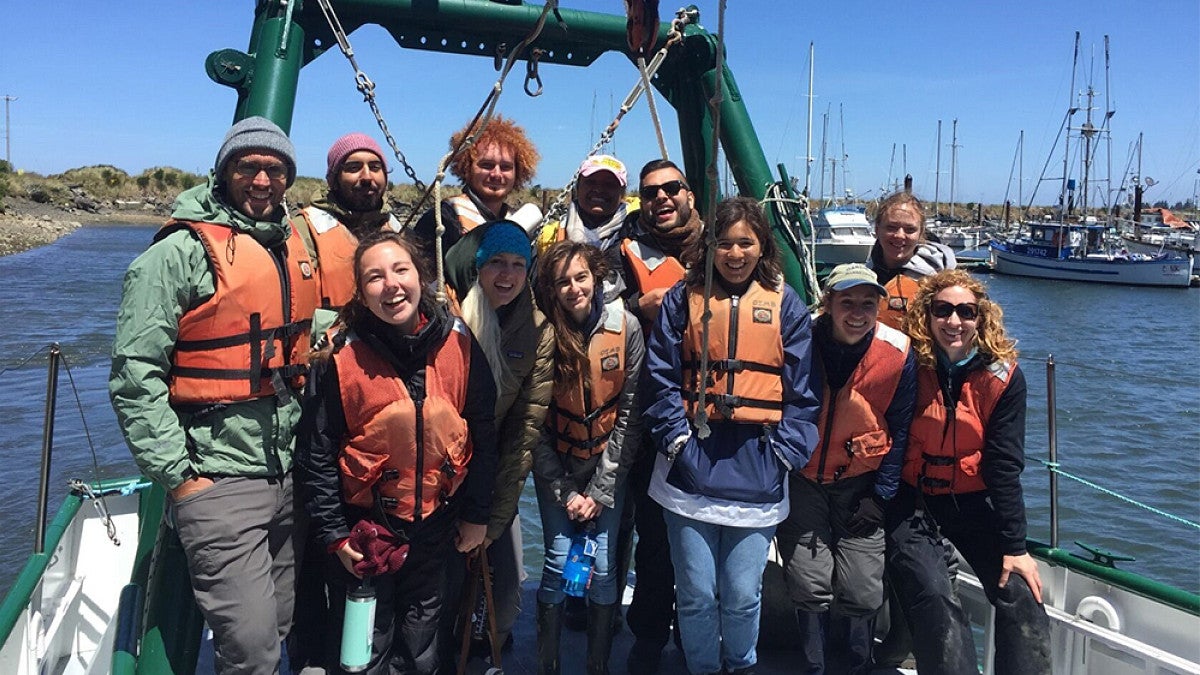
Research Opportunities for Undergraduates
OIMB offers hands-on research experiences to undergraduates in our research labs, through our “Exploration of Marine Biology on the Oregon Coast” REU program, and through internships with local partner institutions.
Browse Our Library
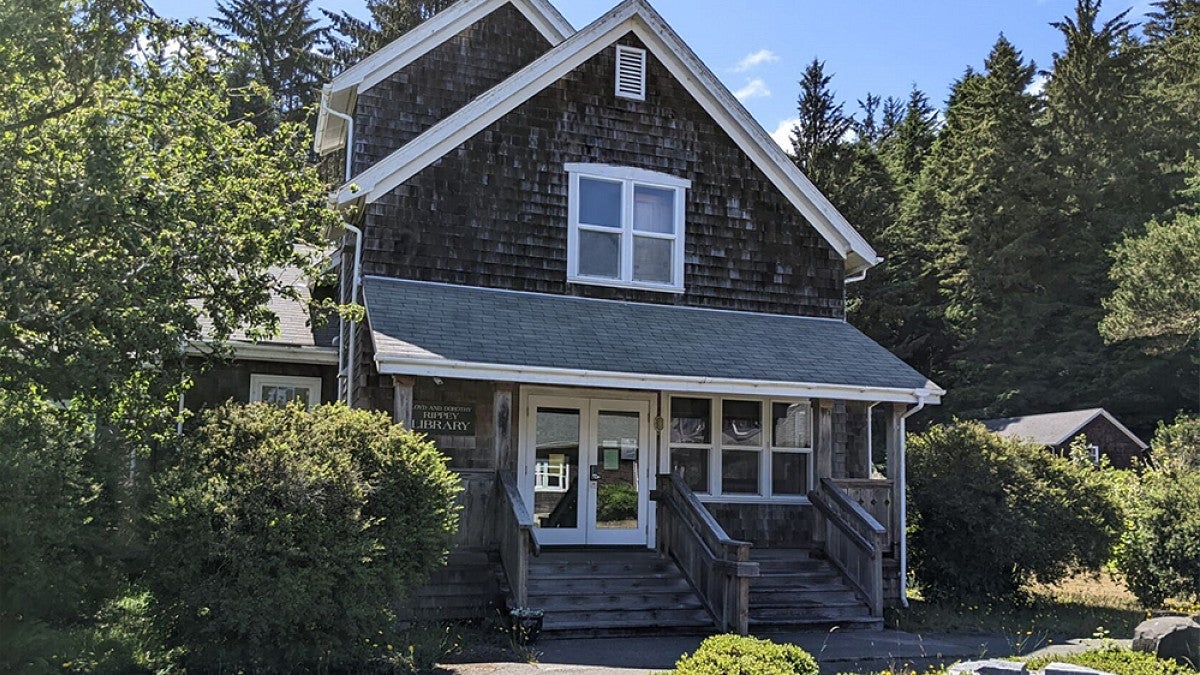
OIMB employees and students have 24/7 access to the Rippey Library, located on the OIMB campus. OIMB and the University of Oregon Libraries maintain two in-house publications about our local marine invertebrates:
- Oregon Estuarine Invertebrates lists common estuarine and intertidal organisms.
- Oregon Shelf Invertebrates covers subtidal organisms.
Take a Dive
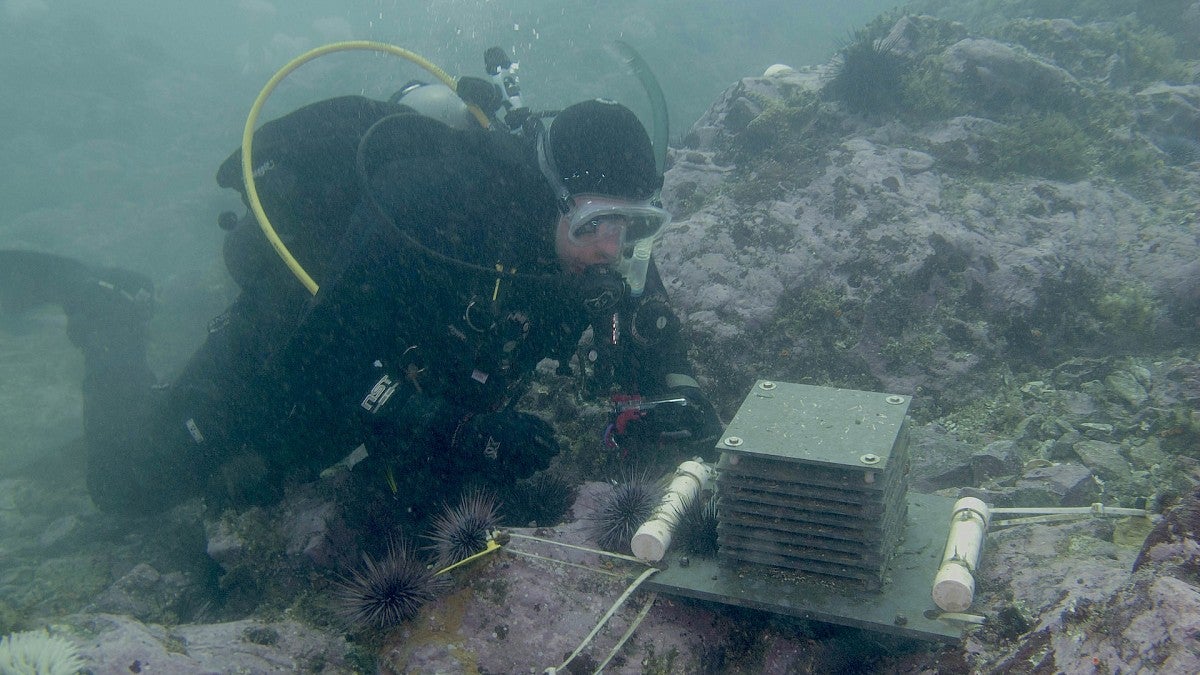
Interested in scientific diving at OIMB? Here’s what you need to know about our licensed divers, available equipment, and safety practices.